



Manav Dharma –
Unity, Dignity, and
Spiritual Awakening
Manav Dharma, founded by Mahan Tyagi Baba Jumdeoji, is a transformative socio-spiritual movement focused on moral renewal and social harmony. Its practical teachings guide individuals toward a dignified life through devotion to the One God, ethical living, and economic balance. The philosophy emphasizes eliminating harmful social practices while nurturing unity, cleanliness, and collective well-being.

Eradication of Addiction and Vices (Moral Purity)
The most direct and impactful social reform initiated by Baba Jumdeoji is the strict command to abandon all forms of addiction and bad habits, known as Vait Vyasan Band Kara (part of the Panch Niyam).
- The Reform: Strict prohibition against the consumption of alcohol, tobacco, and all intoxicating substances. This is considered the fundamental step toward cleansing the body and mind for spiritual realization.
- Social Impact: This principle addressed the deep-rooted problem of alcoholism and substance abuse, which was a major cause of poverty, domestic violence, and family ruin, especially among the poor and working-class communities he primarily served. By making the spiritual path contingent on sobriety, he provided a powerful, divinely-backed incentive for moral and economic recovery.
- Result: The strict adherence to this rule immediately led to improved family economics and domestic peace among the followers ("Sevaks").
Abolition of Superstition and Blind Rituals
The core tenet of "Parmatma Ek" (God is One and Formless) served as the ideological basis for rejecting meaningless and exploitative rituals.
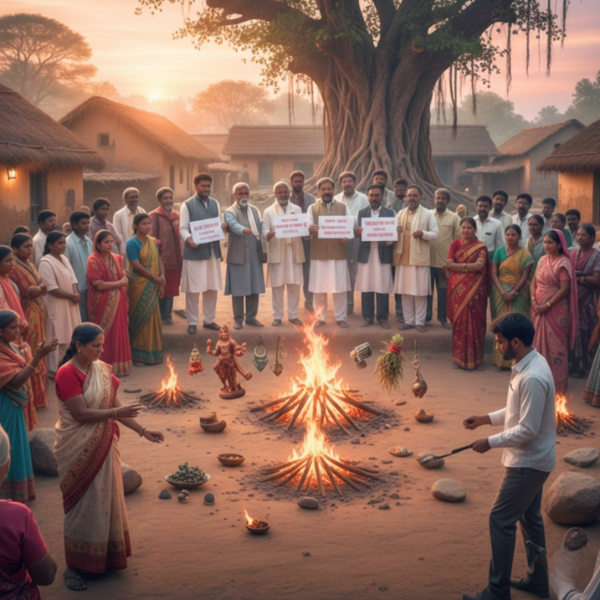
- The Reform: Baba Jumdeoji fiercely campaigned against superstition, idol worship, expensive ceremonies, and the practice of animal sacrifice (which he deemed anti- spiritual). His realization of the formless God meant that spiritual connection did not require a priest or elaborate material offerings.
- Social Impact: This removed the financial burden placed on poor families by exploitative rituals and the psychological fear caused by belief in ghosts, black magic, and other afflictions. The focus shifted from appeasing fear-inducing deities to selfdiscipline and selfless action (Nishkam Karmayoga).
- Focus on Logic: The entire path encourages rational and reasoned living, rejecting practices that cannot be explained or that lead to social harm.

Promotion of Social Unity and Equality
Baba Jumdeoji's concept of the One God naturally translated into the concept of One Humanity, striking at the root of social divisions.
- The Reform: Manav Dharma operates entirely without distinction of caste, creed, or class. Everyone who adheres to the moral code, regardless of their social background, is a 'Sevak'.
- Principle of Love: The teaching of "Behave with Love" (Premane Vyavhar Kara) fosters universal brotherhood. This principle ensures that interaction among followers is based on mutual respect and affection, dismantling traditional prejudices.
- Specific Campaigns: He is noted for raising his voice against social evils prevalent at the time, such as child marriage.
Economic and Family Responsibility
Beyond moral discipline, Manav Dharma promoted practices essential for a stable and prosperous life.
- Responsible Family Planning: The rule "Keep the Family Limited" (Kutumbāla Maryādit Ṭhēvā) was a forward-thinking social principle encouraging family planning and responsible parenting, ensuring families could provide for their children.
- Entrepreneurship and Livelihood: Recognizing the economic distress of his followers (many of whom were poor farmers and artisans), Baba Jumdeoji established institutions to support them:
- 1) He opened a small dairy cooperative for farmers to sell their milk and earn a steady livelihood.
- 2) He established a small bank (in 1976) to provide loans to artisans, promoting self-reliance and entrepreneurship.
In summary, the social reforms of Manav Dharma were not abstract religious doctrines but a practical, humanitarian code that provided a clear, accessible roadmap for self-improvement, moral elevation, and economic stability for the common person, centered around the power of the One God (Parmatma Ek).